
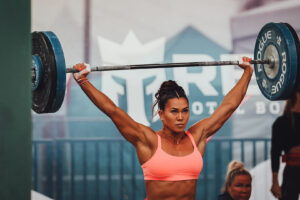
How to Make Better Bar Body Contact for Snatches
Written by Jared Enderton Making contact with your body is imperative for successful Olympic lifts, especially…
5 CrossFit Quarterfinals Tips
Written by Kelly Sekulovski Individual Quarterfinals and AGOQ begin on Wednesday 4/17, and this year we will see more athletes take…
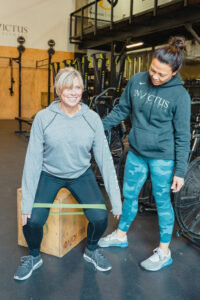
Invictus Seattle is Strong For Life
Written by Theresa James Strong For Life was born from a desire to help our local aging community embrace…
The Sea of Green Is Coming To Carson
Written by Kelly Sekulovski Team quarterfinals wrapped up on Monday April 8th, and all four Invictus teams…
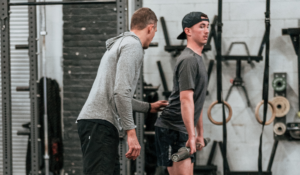
The Most Common Olympic Weightlifting Mistake
Written by Jared Enderton Have you ever wondered what is, and how to…
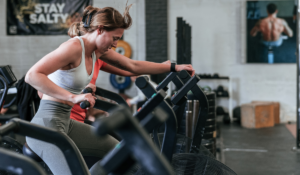
First Time Doing CrossFit Quarterfinals?
Written by Kelly Sekulovski If you received your official email invitation from CrossFit, then congratulations on qualifying for Quarterfinals! That…
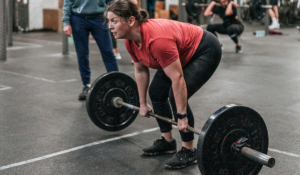
Olympic Weightlifting Tip: Set Your Upper Back
Written by Jared Enderton Do you struggle with stability in the catch of your snatches and/or cleans? What…

Following Curiosity
Written by: Fritz Nugent Backstory I wrote an email to someone in my tribe yesterday. She had mentioned that a large factor in…
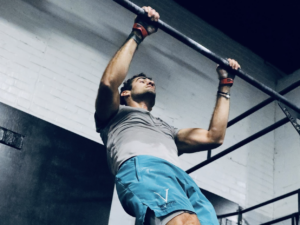
Learn Butterfly Chest-to-Bars After Mastering Kipping Chest-To-Bars
Written By Travis Ewart, Invictus Gymnastics Coach Kipping and Butterfly Chest-To-Bar (C2B) Pull-Ups are very closely related, though…
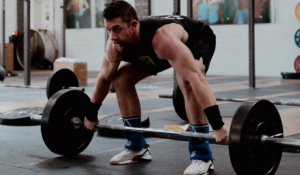
Snatch Grip Starting Position
Written by Jared Enderton Let me ask you a few questions: When you pull the barbell from the floor to start…
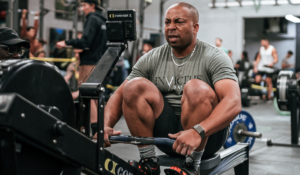
The Invictus Cardio Machine Conversion Chart
Written by Nichole Kribs We’ve all been there: you look at the workout for the day, and wonder…
CrossFit Open 24.3 Strategy and Tips
The grand finale of the open, 24.3, has been announced! Keep checking back on this article as we update…
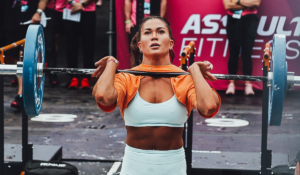
Tips & Tricks for More Efficient Thrusters
Tips & Tricks for More Efficient Thrusters Written by The Invictus Athlete Team We couldn’t make it out of the 2024 CrossFit Open without some…
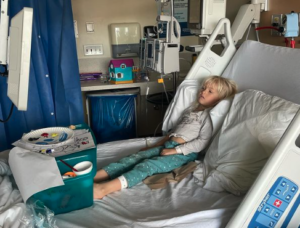
24.3 For a Cause: Help Katarina Fight Leukemia
Written by Kelly Sekulovski Friday Night Lights is electric in any gym across the globe, especially on…
CrossFit Open 24.2 Strategy and Tips
The Open is officially here and 24.2 has been announced! Keep checking back on this article as we update…